

Let's be honest, if you've spent any time in the branded podcast world, you've probably noticed that B2C shows get a little more… shine. They rack up reviews, travel by word of mouth, and show up on "best of" lists. The numbers back it up: 70% of the top ten branded podcasts are from B2C brands, and B2C podcasts have a 95% higher average number of reviews than B2B shows.
But here's the thing: that's not a problem to solve. It's just context.
A B2B brand isn't trying to build the next Duolingo Podcast or Inside Trader Joe’s. They're trying to get a CFO to trust them enough to get on a call or get that Ops Manager that’s been on their radar to finally book a demo. And yet, a lot of B2B podcasters are out there measuring themselves against B2C benchmarks and wondering why they feel like they're behind.
They're not behind. They're just playing a completely different game (and it helps to know the rules).
In this post, we are going to dive deep into exploring the unique differences between the B2B and B2C branded podcasts. After reading, you’ll be able to understand the variances in target audience, content focus, tone, style, which channels they distribute on, how they monetize, and how their individual success is measured.
Here’s the TL;DR:
- B2B and B2C podcasts serve fundamentally different audiences: B2B shows speak to business professionals, decision-makers, and industry insiders, while B2C shows are built for everyday consumers with broad interests and typically lifestyle-driven content.
- Content focus and tone should follow your audience, not your preferences: B2B podcasts lean educational, analytical, and authoritative; B2C podcasts lean conversational, entertaining, and relatable.
- Where you distribute your podcast matters as much as what's in it: B2B brands win on LinkedIn, email newsletters, and industry platforms; B2C brands thrive on Spotify, social media, and influencer partnerships.
- Setting clear goals before you launch is non-negotiable: Without defined objectives — whether that's brand awareness, lead generation, or audience loyalty — you'll have no way to know if your podcast is actually working.
- Vanity metrics won't tell you if your podcast is performing: Downloads and subscribers are a starting point, but the brands getting real ROI from podcasting are tracking audience retention, tying listeners to pipeline, and building partnerships.
- B2B and B2C podcasts can learn from each other: The best branded shows borrow storytelling from B2C and strategic depth from B2B. Don't silo yourself based on your business model alone.
1. Target audiences
When it comes to target audiences for B2B branded podcasts versus B2C, they can vary quite drastically. It’s important to understand the distinction to ensure your content strategies cater to specific listeners.
B2B podcast target audiences
B2B branded podcasts speak to other businesses — usually to a specific industry, company size, and role inside that company. We're talking VPs, directors, founders, and operators who care about doing their jobs better.
Content is tailored around their day-to-day: the bottlenecks, the trends shaping their space, and the strategies they can put to work on Monday. The goal is to build enough credibility that your brand becomes the first name they think of when a problem hits their desk.
B2C podcast target audiences
B2C podcasts are built for people in their everyday lives, not their job titles.
That usually means a much broader audience. Instead of narrowing in on a specific industry or role, these shows lean into shared interests, habits, and curiosities that cut across demographics.
Because of that, the format matters just as much as the topic. The strongest B2C podcasts tend to feel more like conversations or stories you want to stay in, whether that’s through strong storytelling, interesting guests, or a clear point of view that keeps things moving.
And while the tone and approach might look very different from B2B, the end goals often aren’t that different: getting people to know your brand, care about it, and stay connected to it over time.
CoHost Tip: Ever wonder why following a listener-first approach to podcasting is so important? Check out our article that goes into why putting your listeners’ preferences, fears, interests, and desires first is the key to podcasting success.
2. Content focus
Beyond who you’re creating content for, you’ll also need to pinpoint your content focus (or your podcast niche).
While it may be tempting to keep your content scope broad to attract more listeners, when you attempt to resonate with everyone, you resonate with no one.
When it comes to content focus, there are distinct differences between B2B podcasts and B2C podcasts.
Content focus in B2B podcasts
B2B podcasts tend to live a bit closer to the work itself.
The content usually centres on industry conversations—what’s changing, what’s working, what’s not. That can mean trends, operator insights, deep dives into specific challenges, or interviews with people who’ve actually been in the trenches.
A lot of the value comes from access. You’re hearing from founders, operators, and experts who’ve spent years inside a space, sharing what they’ve learned in a way that’s usually not public-facing.
At their best, B2B podcasts feel useful in a very direct way. Not just “interesting to know,” but “I can actually use this.” Whether that’s improving a process, solving a bottleneck, or just thinking differently about a problem, the goal is to leave the listener with something they can apply.
Content focus in B2C podcasts
B2C podcasts cast a much wider net.
Instead of focusing on one industry or role, they tend to tap into everyday interests: things like health, entertainment, culture, personal growth, food, travel, or whatever people are thinking about outside of work.
The format is usually lighter and more varied. Storytelling plays a bigger role. So do personality-driven hosts, guest conversations, and segments that are designed to be easy to listen to rather than heavily structured.
It’s less about solving a specific problem and more about holding attention and building familiarity over time. And while the tone might be more relaxed, the intention is still very similar to B2B shows: keep people engaged, build trust with the brand, and create something they actually want to return to.
3. Tone and style
Next up, we have tone and style. You’d expect a podcast from Xero to feel different than one produced by Glossier – and there are many reasons for that.
Here’s a deeper dive into the differences between B2B and B2C podcasts’ tone and style.
Tone and style of B2B podcasts
B2B podcasts usually sound like they belong in a work context, because they’re speaking to people in one.
The tone is typically more measured and direct. It’s clear, informed, and grounded in experience. You’ll often hear fewer “fluffy” moments and more structured thinking: opinions backed by data, lessons pulled from real situations, and conversations that get to the point quickly.
There’s also an expectation of credibility. The podcast often acts as an extension of the brand’s expertise, so the way people speak tends to reflect that: less casual, more intentional.
At their best, B2B shows don’t just inform, they help the listener think differently about their work. The tone supports that: steady, confident, and focused on substance over style.
Tone and style of B2C podcasts
B2C podcasts feel very different in how they sound.
They’re usually more relaxed, more conversational, and a lot more personality-driven. The goal is to sound like you’ve dropped into a conversation rather than a presentation.
That’s why storytelling, humor, and personal anecdotes show up more often. The structure can be looser, the pacing more natural, and the energy more informal. It’s less about delivering information efficiently and more about keeping someone listening because they actually enjoy being there.
Done well, B2C podcasts feel familiar pretty quickly. And over time, that familiarity is what builds connection with the brand behind it.
4. Distribution channels
Because of their varied target audiences and goals, B2B and B2C podcast distribution strategies tend to look quite a bit different.
B2B podcast distribution channels
For B2B podcasts, you’re usually looking to target audiences within the business community. Some common strategies include:
- Collaborations and partnerships: B2B podcasts may form partnerships with relevant industry influencers, organizations, or associations. By featuring guest episodes or cross-promoting with established figures or brands, B2B podcasts can tap into their partner’s existing audience and expand reach to targeted professionals.
- LinkedIn and other professional networks: B2B podcasts typically have a strong presence on platforms like LinkedIn. They actively engage with relevant groups, participate in industry discussions, share podcast episodes and related content to connect with other like-minded professionals, and generate awareness within the target audience.
- Email marketing and newsletters: B2B podcasts often use email marketing and newsletters to promote new seasons and episodes. They may leverage existing mailing lists or partner with industry publications to reach a wide network of professionals who have expressed interest in receiving industry updates in their space.
B2C podcast distribution channels
On the other hand, B2C podcasts focus on leveraging channels that align with consumer preferences and habits. Below are the most common distribution strategies for B2C podcasts:
- Social media promotion: B2C podcasts heavily rely on social media platforms to connect with their target audience. They create dedicated pages or profiles for their podcasts and actively share engaging content, episode highlights, behind-the-scenes footage, and listener interactions on platforms like YouTube, Instagram, X, Meta, or TikTok.
- Influencer and cross-promotion: B2C podcasts collaborate with social media influencers, celebrities, or popular content creators to tap into their established fan base. Through guest appearances, sponsored episodes, or cross-promotions, B2C podcasts can expand their reach and attract new listeners who follow these influential individuals.
- Paid advertising and sponsorships: B2C podcasts may explore paid advertising options on platforms like social media, search engines, or other relevant websites to target specific consumer segments. They may also collaborate with relevant brands or sponsors to leverage their reach and tap into their target audience through sponsored content or advertising slots within episodes.
5. Podcast goals (+ the metrics that tell you if you’re actually hitting them)
This is where most brands get it wrong. They launch a podcast, start tracking downloads, and three months in, they're not sure if it's working. The problem usually isn't the podcast; it's that no one defined what "working" actually means before they started.
Setting clear goals up front isn't just a nice-to-have. It's what turns a podcast from a content project into a business asset. And once you have goals, you need the right KPIs to know if you're on track.
Here's how to think about goals for both B2B and B2C podcasts and the specific metrics that map to each one.
It’s important to note that while there might be differences in which success metrics B2B and B2C podcasts look at, there’s a fair bit of overlap and shared metrics depending on the show’s specific goals, industry niche, and audience.
B2B podcast goal 1: Establish thought leadership and brand authority
One of the most powerful things a B2B podcast can do is position your brand as the go-to resource in your space. This isn't just about sounding smart; it's about becoming the first name that comes to mind when someone in your industry has a problem to solve.
But here's the thing: thought leadership is notoriously hard to measure. The key is to look for leading indicators or signals that your brand's reputation is actually growing.
KPIs to track:
- Number of inbound speaking invitations to industry events or conferences.
- Media mentions or press features spotlighting the podcast or its host(s).
- Guest appearance requests from other relevant podcasts or platforms.
- Listener survey responses indicating the podcast is a trusted source of information.
- Brand search volume over time (are more people Googling you after episodes drop?).
- Quality and seniority of guests who agree to appear on the show (a sign that your podcast has cachet).
- Are decision makers tuning into your podcast? Are they sticking around? You can find this out through B2B Analytics and Consumption data.
B2B podcast goal 2: Grow and retain a qualified audience
Not all listeners are created equal. A B2B podcast with 500 highly engaged listeners who match your ICP (ideal customer profile) is worth more than one with 10,000 passive downloads from people who will never buy from you. The goal here is to grow the right audience and keep them coming back.
KPIs to track:
- New listener growth across platforms (month-over-month).
- Unique listeners per episode (benchmark against your own historical data, not industry averages).
- Listener retention rate: What percentage of listeners who found you in month one are still listening three months later?
- Average consumption rate: How much of each episode are people actually listening to? A 70%+ consumption rate is a strong signal.
- B2B-specific audience analytics: CoHost surfaces data like company size, industry, and location of listeners, so you can see whether your audience actually reflects your target market.
CoHost Tip: To learn more about how B2B brands are using podcasts to enhance their ABM strategy, check out our full article.
B2B podcast goal 3: Generate leads and drive pipeline
This is the goal most B2B marketing teams care about most, and the one that's hardest to attribute directly to a podcast. The reality is that podcasts often work mid-funnel: they build familiarity and trust with people who are already somewhat aware of you, accelerating their path to conversion. That doesn't make them less valuable; it just means you need smarter tracking.
KPIs to track:
- Number of leads generated through podcast-specific CTAs (unique landing pages, promo codes, episode-specific links).
- Website sign-ups or form submissions attributed to podcast episodes via UTM tracking.
- Inquiries received that mention the podcast directly (Include a form on your site that asks: "How did you hear about us?").
- Conversion rate from podcast-attributed leads to opportunities or closed deals.
- Number of qualified leads or sales directly tied to podcast engagement.
- Pipeline value influenced by podcast touchpoints (even if the podcast wasn't the last touch).
CoHost Tip: Our integration with Salesforce makes it easy to connect your podcast data to pipeline activity. Now, you can automatically send company, role/seniority, and episode engagement to power campaigns and accounts.
B2B podcast goal 4: Build strategic partnerships and expand industry relationships
Podcasts are one of the most underrated relationship-building tools in B2B. Inviting someone onto your podcast is a low-friction way to start a relationship, and those relationships often turn into referrals, co-marketing opportunities, and strategic alliances that extend well beyond the episode itself.
KPIs to track:
- Number and quality of partnerships formed with industry influencers or thought leaders as a direct result of the podcast.
- Guest appearances by senior figures or "dream guests" within your target industry.
- Collaborations with relevant brands or organizations that originated from a podcast relationship.
- Joint initiatives like webinars, events, and co-authored content grew out of podcast connections.
- Referrals or introductions made by past guests.
B2C podcast goal 1: Build audience reach and grow consistently
B2C podcasts typically prioritize scale. A large, loyal consumer audience opens up more sponsorship opportunities, more brand exposure, and more community capital. But consistent growth matters more than a spike; a loyal audience beats a viral moment every time.
KPIs to track:
- Total subscribers and downloads (the baseline).
- New listener growth across platforms (month-over-month) – look for consistent upward trends, not just spikes.
- Unique listeners per episode.
- Listener reviews and ratings.
B2C podcast goal 2: Build brand awareness
For B2C brands, podcasts are a brand-building tool. The goal is to make your brand part of a consumer's regular routine, something they associate with how they feel when they're listening, not just the products you sell.
KPIs to track:
- Brand mentions and tags on social media.
- Share of voice in your category: Are people talking about your podcast relative to competitors?
- Media coverage or press mentions of the podcast.
- Positive online reviews and ratings on podcast platforms.
- Listener NPS (Net Promoter Score): Are your listeners recommending the show?
- Brand recall surveys: Do listeners associate the podcast with your brand values?
B2C podcast goal 3: Drive engagement and build community
With 57% of people finding podcasts on social media, B2C podcasts can't exist in an audio-only bubble. Social media is where your listener community lives between episodes, and an engaged social following is both a distribution engine and a proof point for advertisers and sponsors.
KPIs to track:
- Social media follower growth across platforms linked to the podcast.
- Likes, comments, shares, and saves on podcast-related content (audiograms, clips, episode announcements).
- User-generated content: Are listeners posting about your show unprompted?
- Engagement rate on social posts (not just total reach).
- Listener interaction in episode-specific threads or community spaces (Discord, Facebook Groups, etc.).
- Click-through rate on social posts linking to new episodes.
B2C podcast goal 4: Convert listeners into brand loyalists
Brand awareness is great, but the real win for a B2C branded podcast is turning a casual listener into someone who actively chooses your brand. This is the loyalty layer, and it's where podcasting genuinely outperforms most other content formats because of the intimacy it creates.
KPIs to track:
- Listener surveys measuring brand affinity and purchase intent.
- Promo code redemption rates (a direct line between listening and buying).
- Affiliate link click-through and conversion rates.
- Merch sales driven by podcast mentions or exclusive drops.
- Crowdfunding contributions (Patreon, etc.): listeners who pay for your content are your most loyal fans.
- Repeat purchase rate among customers who are also podcast listeners.
B2C podcast goal 5: Monetize and generate revenue
Monetization is the measure of whether your podcast can sustain itself and ideally contribute directly to the bottom line. For B2C brands, multiple revenue streams are usually better than relying on one.
KPIs to track:
- Sponsorship and advertising revenue per episode and per quarter.
- Affiliate marketing earnings and conversion rates.
- Merchandise sales attributed to the podcast.
- Crowdfunding or membership contributions.
- Cost per acquisition (CPA) for listeners converted to customers via podcast-specific campaigns.
- Total podcast ROI — revenue generated vs. production costs.
CoHost Tip: We understand that podcast metrics can be a bit confusing at the start. To help simplify podcast tracking, we created the Ultimate Podcast Analytics Dictionary, so you can start making data-driven decisions faster.
Examples of B2B versus B2C podcasts
Lastly, let’s end with some successful examples of B2B podcasts versus some B2C podcasts:
B2B podcasts examples

Masters of Scale
Our first example of a popular B2B podcast is LinkedIn co-founder Reid Hoffman’s Masters of Scale. The podcast is known for interviewing big-name business builders like Mark Zuckerberg and Sheryl Sandberg to talk about best practices when scaling a business and how to go from something small to something game-changing.
New World of Work
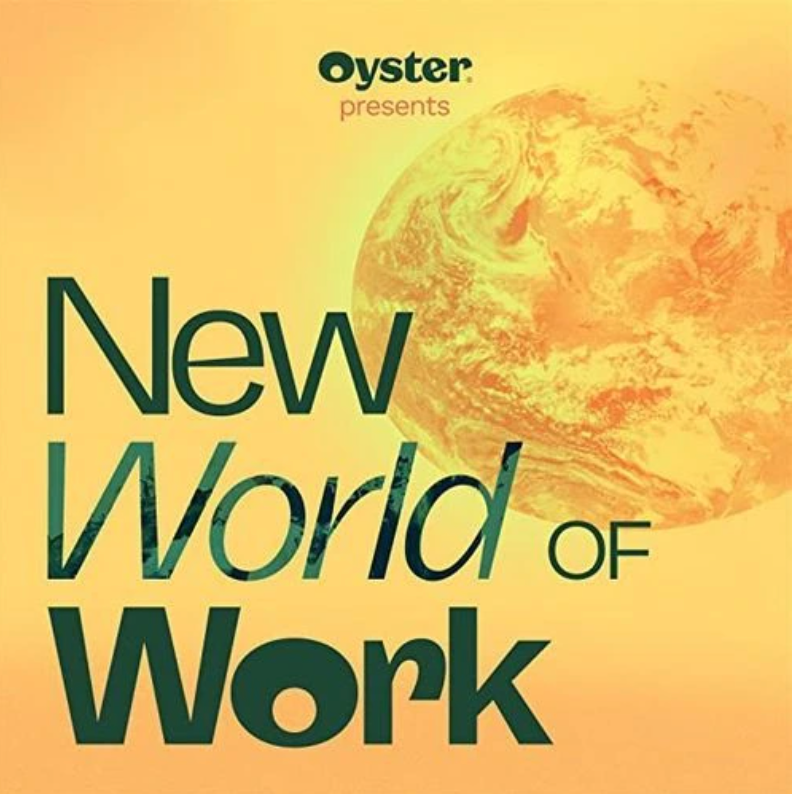
Next is Oyster’s HR New World of Work, where you’ll hear the world’s best and brightest people and culture experts talk about the cutting-edge topics that HR professionals are most interested in today — all through a global lens.
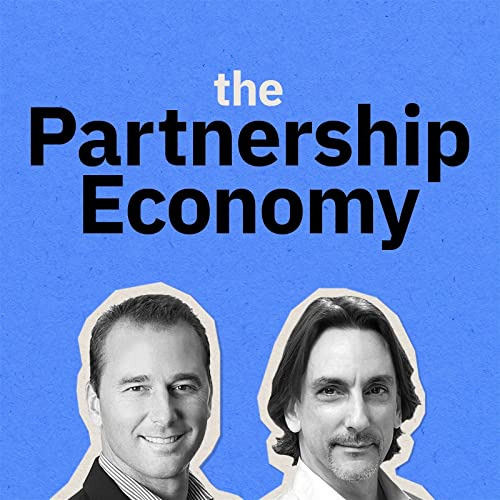
The Partnership Economy
Lastly, we have impact.com’s The Partnership Economy, where they dive into the many ways brands and clients can leverage the potential of partnerships for significant and sustainable business growth. The series brings partnerships to the forefront by sharing customer success stories and providing actionable tips and strategies listeners can implement in their everyday lives.
B2C podcast examples

#LIPSTORIES
#LIPSTORIES presented by Girlboss Radio Network in partnership with Sephora focuses on self-love and body positivity; a great message for Sephora to own in the space. Never directly talking about makeup, the show talks about beauty from all walks of life and, in turn, leaves listeners feeling more empowered and motivated (and as a result, loving Sephora as a brand even more!).

Because of Bitcoin
Ledn’s Because of Bitcoin shares inspiring human stories about how people discovered Bitcoin and how it has changed their lives. Their experienced team of financial experts helps you experience the real-life benefits of your Bitcoin while building generational wealth.

Not Just Fluff
Banfield Pet Hospital's Not Just Fluff is a pet wellness podcast hosted by Hannah Shaw, who sits down with pet professionals to debunk common myths, share practical advice, and answer the questions pet owners actually have. By leading with real, expert-backed advice for pet lovers, Banfield builds trust with exactly the kind of audience they want to reach.
B2B vs. B2C podcast FAQ
What is a B2B podcast?
A B2B podcast is a show made for a specific kind of professional audience—people you’d realistically sell to or work with.
Instead of trying to appeal to everyone, it focuses on a narrow set of topics that matter to that group. That could be marketing tactics, industry trends, operational challenges, or just honest conversations about how people are doing their jobs.
The tone is usually more practical than entertaining. If someone can take an idea from an episode and apply it to their work, that’s a good B2B podcast.
What is a B2C podcast?
A B2C podcast is aimed at a general audience, not tied to someone’s job or industry.
The topics are broader, think lifestyle, culture, personal development, entertainment—anything people would choose to listen to in their free time. The bar here is different: it has to hold attention.
That doesn’t mean it has to be flashy or viral, but it does need a clear point of view or personality. Otherwise, it just blends in with everything else.
Should my brand start a B2B or B2C podcast?
Start with your customer, not the format.
If you sell to businesses, a B2B podcast is usually the more direct route. You can speak to the exact problems your buyers are dealing with and build credibility over time.
If you sell to consumers, a B2C podcast makes more sense because you’re trying to stay relevant in someone’s everyday life, not just their work.
There are exceptions, but most brands overcomplicate this. The question isn’t “which is better?” It’s “who are we trying to reach, and what would they actually listen to?”
How do you measure the success of a branded podcast?
It depends on what you’re trying to get out of it.
For B2B, success often shows up indirectly. It might be:
- Better conversations with prospects
- Warmer inbound leads
For B2C, it’s usually more visible:
- Audience growth
- Shares and engagement
Downloads matter, but on their own, they don’t tell you much. A smaller, relevant audience is usually more valuable than a large, passive one.
What makes a branded podcast different from a regular podcast?
The difference isn’t in the format: it’s in the intention behind it.
A regular podcast is usually built around the creator’s interests, opinions, or audience growth. A branded podcast, on the other hand, is built with a specific business outcome in mind. It’s part of a larger strategy, not just a standalone piece of content.
The brand sets the direction: what topics are covered, who’s invited on, what perspective is taken, but the content still has to earn its place in someone’s feed. If a listener can tell it’s trying to sell them something, it’s already lost. The goal is to be worth listening to first, and strategically useful to the business second.
The difference between B2B and B2C branded podcasts
On paper, B2B and B2C podcasts are pretty different: who they’re for, how they sound, what success looks like. But in practice, the ones that actually work tend to get the same fundamentals right.
They’re clear on who they’re speaking to. They don’t try to cover everything. They show up consistently enough to matter. And they make something people genuinely want to spend time with (not just something that ticks a content box).
There isn’t a single lever you pull that makes a podcast “work.” It’s usually a mix of things done well over time: choosing a focused angle, getting it in front of the right people, and sticking with it long enough to build any kind of traction.
Also worth saying: the line between B2B and B2C is a lot blurrier than people make it out to be. Some of the best shows don’t really fit cleanly into either. They take the clarity and usefulness you’d expect from B2B and combine it with the tone and listenability of a strong B2C show.
If you treat those categories as guidelines instead of rules, you’ll end up with something a lot more interesting and a lot more effective.
If you want more on how brands are actually approaching this, join the community of marketers over at Tuned In, our bi-weekly newsletter.
.webp)